A Guide to Laminating Dough for Flaky Pastries
Laminating dough is a foundational technique in pastry making that creates distinct layers and a buttery texture in items such as croissants and puff pastry. The process involves folding dough with a block of butter multiple times, resulting in alternating thin layers of dough and fat. When baked, the moisture in the butter turns to steam, causing the dough to rise and separate into flaky sheets. This guide explores the principles and methods of lamination, offering a detailed overview for those interested in understanding this classic pastry technique.
The art of lamination requires careful attention to temperature, timing, and technique. While the concept may seem straightforward, achieving consistent results depends on various factors, including the quality of ingredients, the environment, and the baker’s skill. This article provides a step-by-step explanation of the lamination process, from preparing the dough and butter block to folding and chilling. It also discusses common challenges and considerations that can influence the final product. By understanding these elements, bakers can approach lamination with greater confidence and precision.
Whether you are a professional pastry chef or a home baker, the information presented here aims to demystify the lamination process. It emphasizes a methodical approach and highlights the importance of practice and observation. Sweet Crumb Bakery has shared insights from its own experience, but the techniques described are applicable in various settings. The goal is to equip you with the knowledge to experiment and refine your own lamination skills.
Understanding the Science of Lamination
Lamination relies on the principle of creating alternating layers of dough and butter. When the dough is folded and rolled, the butter is distributed into thin sheets. During baking, the water in the butter evaporates, producing steam that pushes the layers apart. This results in the characteristic flakiness and rise of pastries like croissants and puff pastry. The process also contributes to the tender texture and rich flavor associated with these baked goods.
The success of lamination depends on maintaining the integrity of the butter layers. If the butter becomes too warm, it can melt into the dough, reducing the distinct separation between layers. Conversely, if the butter is too cold, it may crack and break, leading to uneven lamination. Therefore, temperature control is critical throughout the process. Bakers often work in cool environments and chill the dough between folds to keep the butter firm yet pliable.
Another key factor is the gluten structure of the dough. Gluten development provides elasticity, allowing the dough to stretch without tearing during rolling. However, excessive gluten can make the dough tough and difficult to roll. A balance is achieved by using a moderate amount of mixing and allowing the dough to rest, which relaxes the gluten and makes it easier to manipulate. The type of flour also plays a role; bread flour with higher protein content is commonly used for laminated doughs.
Understanding these scientific aspects can help bakers troubleshoot issues and adapt the technique to different conditions. For example, in humid environments, the dough may absorb more moisture, affecting its consistency. Adjustments in flour or chilling times may be necessary. By recognizing the interplay of ingredients and environment, bakers can develop a feel for the process and make informed decisions.
Preparing the Dough and Butter Block
The first step in lamination is preparing the dough and the butter block. The dough, often called the détrempe, is made from flour, water, salt, and sometimes a small amount of sugar and yeast (for croissants). It is mixed until just combined, then shaped into a rectangle and chilled. The butter block, or beurrage, is made by pounding cold butter into a flat, rectangular shape. The butter should be of high quality with a high fat content, as this affects the flavor and texture of the final product.
It is important that the dough and butter are of similar consistency and temperature before lamination begins. If the dough is too warm, it may soften the butter; if too cold, the butter may crack. Bakers often chill both components for at least an hour before proceeding. The butter block should be pliable but not greasy, and the dough should be firm but not hard. This uniformity allows for even rolling and folding.
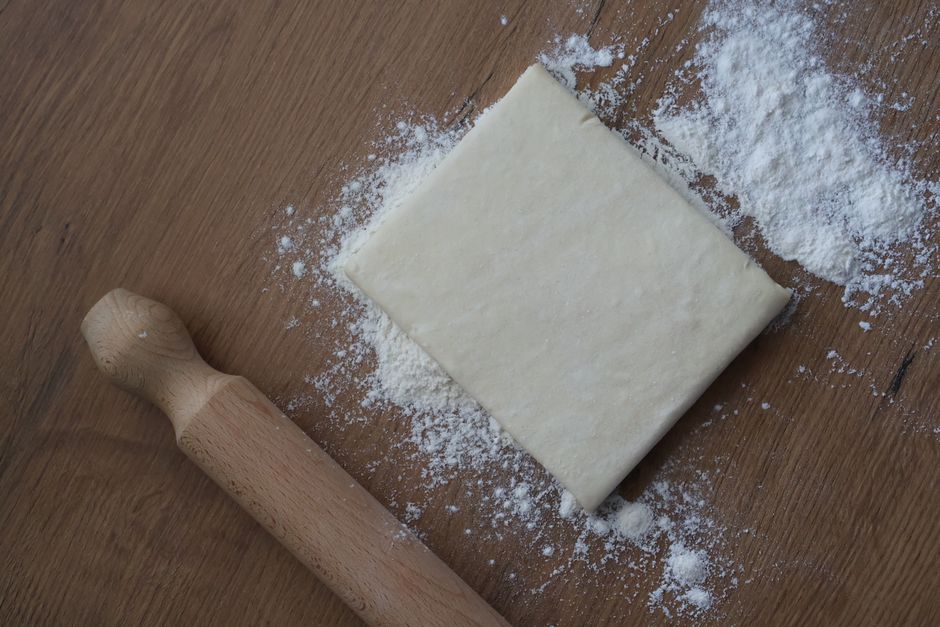
To incorporate the butter, the dough is rolled into a larger rectangle, and the butter block is placed in the center. The dough is then folded over the butter like an envelope, sealing it inside. This initial package is then rolled and folded in a series of turns, which create the layers. The number of turns and the resting periods between them can vary depending on the desired flakiness and the specific pastry being made.
Proper preparation sets the stage for successful lamination. Taking the time to measure ingredients accurately and to chill the components adequately can prevent many common problems. Additionally, using a cool surface and minimal flour for dusting helps avoid sticking and maintains the dough’s integrity.
Techniques for Folding and Rolling
The folding and rolling process is where the layers are actually created. There are several types of folds, including the single fold (or letter fold), double fold (or book fold), and triple fold. Each fold multiplies the number of layers. For example, a single fold triples the layers, while a double fold quadruples them. The choice of fold and the number of repetitions depend on the recipe and the desired outcome. Croissants typically require three single folds, while puff pastry may use a combination of folds.
When rolling, it is essential to apply even pressure and to work quickly to prevent the butter from warming. The dough should be rolled in one direction, then rotated 90 degrees, and rolled again to maintain an even thickness. Dusting with flour as needed prevents sticking, but excess flour can dry out the dough and create tough layers. After each fold, the dough is wrapped and chilled for at least 30 minutes to relax the gluten and firm the butter.
The resting periods are not merely for temperature control; they also allow the gluten to relax, making the dough easier to roll without tearing. Skipping or shortening these rests can lead to a tough, uneven texture. It is also important to handle the dough gently, as rough handling can disrupt the layers. If at any point the butter starts to soften or ooze, chilling the dough immediately is recommended.
Consistency in rolling and folding is key to achieving uniform layers. Bakers often mark the dough with indentations to keep track of the number of folds and the direction. Keeping a steady rhythm and maintaining a cool workspace contribute to a smoother process. With practice, the movements become more fluid, and the results more predictable.
Chilling and Resting: Why Timing Matters
Chilling and resting are integral to successful lamination. After each fold, the dough must be refrigerated to allow the gluten to relax and the butter to firm up. This prevents the butter from melting into the dough and ensures that the layers remain distinct. The ideal chilling time is typically 30 minutes to an hour, but this can vary based on the dough’s temperature and the room conditions.
During chilling, the dough undergoes physical changes. The gluten strands, which were stretched during rolling, contract and relax, making the dough more extensible. The butter solidifies, which is crucial for creating flaky layers during baking. If the dough is not chilled sufficiently, the butter may become too soft and blend with the dough, resulting in a greasy texture and poor rise.
It is also important to cover the dough during chilling to prevent it from drying out and forming a skin. Plastic wrap or a damp cloth can be used. Additionally, the dough should be chilled on a flat surface to maintain its shape. Rushing the chilling process or skipping it altogether can compromise the final product, so patience is essential.
In some cases, bakers may choose to chill the dough overnight, which can enhance flavor and make the dough easier to work with. However, extended chilling may require the dough to be tempered slightly before rolling. Understanding the role of timing allows bakers to plan their schedules effectively and to adapt to different recipes.
Common Challenges and Troubleshooting
Even experienced bakers encounter challenges with lamination. One common issue is butter breakage, where the butter cracks instead of spreading evenly. This often occurs when the butter is too cold or the dough is too stiff. To avoid this, ensure both components are at the right temperature and use a rolling pin with even pressure. If breakage happens, the dough can be chilled and re-rolled, but the layers may be compromised.
Another challenge is dough shrinkage, which can happen if the gluten is too developed or the dough is not rested enough. Shrinkage makes it difficult to shape pastries and can lead to uneven baking. Allowing adequate rest periods and handling the dough gently can mitigate this. Additionally, using a lower-protein flour or reducing mixing time can help.
Temperature fluctuations in the environment can also affect lamination. In warm kitchens, the butter may soften quickly, requiring more frequent chilling. In cold kitchens, the dough may become too stiff, making it hard to roll. Adjusting the workspace temperature or working in smaller batches can help manage these conditions.
Finally, achieving consistent layer thickness requires practice. Uneven rolling can result in areas with too few or too many layers, affecting the rise and texture. Using a ruler or guides can help maintain even thickness. By recognizing these challenges and applying appropriate solutions, bakers can improve their lamination outcomes over time.
Shaping and Baking Laminated Pastries
Once the lamination is complete, the dough is rolled out to its final thickness and shaped into the desired pastries. For croissants, the dough is cut into triangles, rolled into crescents, and proofed before baking. For puff pastry, the dough may be cut into various shapes and used in both sweet and savory applications. The shaping process requires care to avoid compressing the layers, which can hinder the rise.
Before baking, laminated doughs are often proofed (for yeast-leavened types) to allow the dough to rise slightly. This step is done at a controlled temperature to prevent the butter from melting. For puff pastry, which is typically unleavened, proofing is not required, but the dough should be chilled before baking to ensure the layers set properly.
Baking temperatures are generally high, around 375°F to 425°F, to create a rapid burst of steam that lifts the layers. The initial high heat sets the structure, while a lower temperature afterward allows the pastry to dry out and become crisp. Overbaking can cause excessive browning, while underbaking can lead to a soggy interior. Monitoring the oven and rotating the baking sheet as needed promote even baking.
The final product should be golden brown, with visible layers and a light, flaky texture. The flavor should be rich and buttery, with a tender crumb. While the process is time-consuming, the results can be rewarding. Sweet Crumb Bakery recommends practicing with small batches and keeping detailed notes to refine the technique.
Lamination is as much about observation and patience as it is about technique. Each batch offers an opportunity to learn and adjust.
In conclusion, laminating dough for flaky pastries is a skill that combines science and craftsmanship. It requires attention to detail, from ingredient selection to temperature control and folding techniques. By understanding the underlying principles and practicing regularly, bakers can create pastries with distinct layers and buttery texture. The process may present challenges, but with persistence, it becomes a rewarding endeavor. Sweet Crumb Bakery encourages bakers to explore this classic technique and to enjoy the journey of mastering lamination.