Essential Baking Techniques Every Home Baker Should Know
Baking is often described as a science, but it also relies on a set of core techniques that, when understood and practiced, can lead to more consistent results in the home kitchen. Whether you are preparing a simple batch of cookies or a rustic loaf of bread, the methods you use to combine ingredients and handle dough play a significant role in the final texture, flavor, and appearance of your baked goods. Many amateur bakers focus on recipes alone, overlooking the importance of technique. However, mastering a few fundamental methods can make a noticeable difference in the quality of your cakes, cookies, and breads.
In this article, we will explore several essential baking techniques that every home baker can learn and refine. We will discuss the creaming method, the folding technique, and the process of kneading dough, among others. Each technique serves a specific purpose and is suited to different types of baked goods. By gaining a better understanding of these methods, you can approach recipes with greater confidence and adaptability. While no technique guarantees perfect results—since factors such as ingredient quality, oven calibration, and environmental conditions also come into play—a solid grasp of these basics can help you troubleshoot and improve your baking over time.
It is important to note that baking is a skill that develops with practice. The information provided here is intended to explain the rationale behind common techniques and to offer guidance on how to execute them. It is not a substitute for professional training or personalized advice. Always consider your own kitchen environment and the specific recipe you are following. With that in mind, let us delve into the essential techniques that can elevate your home baking.
The Creaming Method: Building a Foundation for Cakes and Cookies
The creaming method is a mixing technique commonly used in recipes for cakes, cookies, and some quick breads. It involves beating together fat—typically butter or shortening—and sugar until the mixture becomes light in color and fluffy in texture. This process incorporates air into the fat, which helps leaven the baked good and contributes to a tender crumb. The creaming method is particularly important for recipes that rely on baking powder or baking soda for leavening, as the air pockets created during creaming provide additional lift.
To execute the creaming method effectively, start with ingredients at room temperature. Cold butter does not incorporate air as efficiently and can lead to a dense final product. Cut the butter into small pieces and place it in a mixing bowl with the sugar. Using an electric mixer or a sturdy wooden spoon, beat the mixture on medium speed until it appears pale and increased in volume. This can take several minutes; the exact time depends on the mixer and the quantity of ingredients. Scrape down the sides of the bowl periodically to ensure even mixing. The goal is to create a smooth, homogeneous mixture without overbeating, which can cause the butter to warm up too much and lose its structure.
Once the butter and sugar are properly creamed, you can add eggs one at a time, beating well after each addition. This allows the emulsion to form and prevents curdling. Then, add dry ingredients alternately with any liquid ingredients, mixing on low speed until just combined. Overmixing at this stage can develop gluten excessively, resulting in a tough texture. The creaming method is versatile and forms the basis for many classic American desserts, such as chocolate chip cookies, yellow cake, and pound cake. By practicing this technique, you can achieve consistent results and better understand how ingredient interactions affect the final product.
Folding: Preserving Air and Texture in Delicate Batters
Folding is a gentle mixing technique used to combine light, airy ingredients with heavier mixtures without deflating them. It is often employed in recipes for sponge cakes, soufflés, mousses, and angel food cakes. The purpose of folding is to retain as much air as possible, which contributes to the light texture of these baked goods. Unlike stirring or beating, which can be vigorous and deflate the batter, folding requires a delicate touch.
To fold, you typically start by adding a lighter mixture (such as whipped egg whites or whipped cream) to a heavier base (such as a batter or fruit puree). Use a spatula or a large metal spoon. Cut down through the center of the mixture, then sweep the spatula along the bottom and up the side of the bowl, turning the mixture over. Rotate the bowl a quarter turn and repeat. The motion should be slow and deliberate, aiming to incorporate the ingredients with minimal loss of air. It may take several folds to achieve a uniform color and texture, but avoid overfolding, which can lead to deflation.
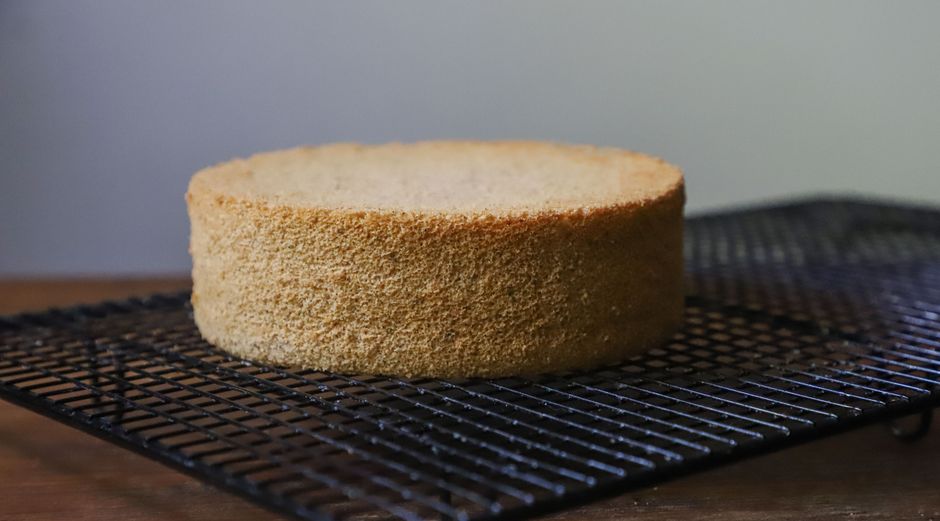
Folding is particularly important in recipes where the structure relies on air bubbles rather than chemical leaveners. For example, in a classic sponge cake, the volume of the batter comes from whipped eggs, so folding is critical to maintain that volume. Similarly, in a chocolate mousse, folding whipped cream into melted chocolate creates a light, airy dessert. While folding may seem simple, it requires practice to master the right balance of thoroughness and gentleness. Home bakers can benefit from practicing folding with simple recipes before attempting more complex ones. Keep in mind that environmental factors, such as humidity and altitude, can also affect the stability of foams and the ease of folding.
Kneading: Developing Gluten for Bread and Yeast Doughs
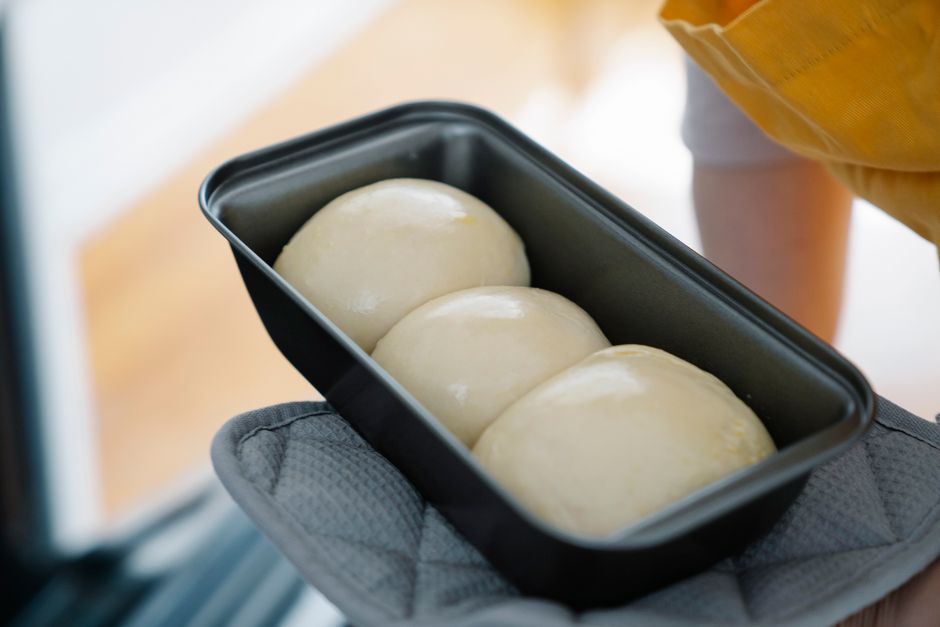
Kneading is a fundamental technique in bread making and other yeast-leavened doughs. It involves working the dough to develop gluten, a network of proteins that gives bread its structure and chew. When flour is mixed with water, gluten begins to form, but kneading accelerates this process by stretching and aligning the protein strands. Properly kneaded dough is smooth, elastic, and able to trap gas produced by yeast, leading to a well-risen loaf.
There are several ways to knead dough. The most common method is hand kneading on a lightly floured surface. To begin, shape the dough into a rough ball. Push the heel of your hand into the dough, then fold it over and rotate. Repeat this process rhythmically, adding flour sparingly to prevent sticking. The dough will initially be sticky and shaggy, but as you continue kneading, it will become smoother and more elastic. This can take anywhere from 8 to 12 minutes for a typical bread dough, depending on the recipe and the type of flour used. Alternatively, a stand mixer with a dough hook can be used, which requires less physical effort but still requires attention to avoid overkneading.
Overkneading can cause the gluten to break down, resulting in a dense, tough bread. Underkneading, on the other hand, leaves the dough insufficiently developed, leading to poor rise and a crumbly texture. To check if dough is adequately kneaded, you can perform the windowpane test: take a small piece of dough and stretch it gently between your fingers. If it forms a thin, translucent membrane without tearing, the gluten is well developed. It is important to note that different types of flour have varying protein contents, which affects gluten development. Bread flour, with its higher protein content, requires more kneading than all-purpose flour. Additionally, factors such as dough hydration and room temperature can influence the kneading process. As with any baking technique, practice and observation are key to developing a feel for when dough is ready.
Additional Techniques: Blind Baking, Laminating, and More
Beyond the three core techniques discussed, there are several other methods that home bakers may find useful. Blind baking, for instance, is used to pre-bake a pie crust or tart shell before adding a wet filling. This prevents the crust from becoming soggy. To blind bake, line the unbaked crust with parchment paper and fill it with pie weights or dried beans. Bake until the edges are lightly golden, then remove the weights and continue baking if necessary. This technique is particularly helpful for custard pies and fruit tarts.
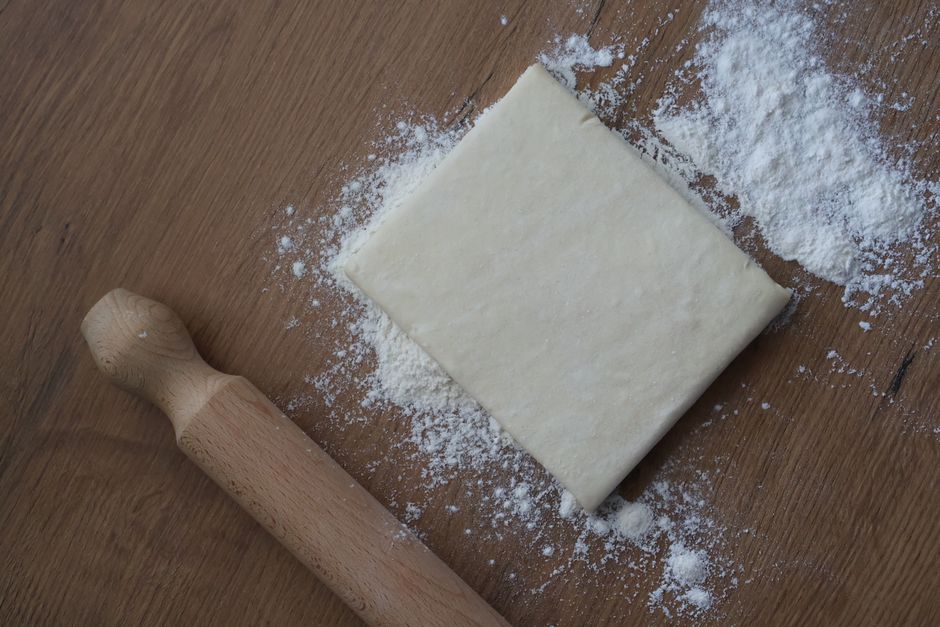
Laminating is another technique that involves folding dough with butter to create layers, as seen in croissants, puff pastry, and Danish pastries. It is a time-consuming process that requires careful temperature control to keep the butter from melting into the dough. While laminating is more advanced, it can be rewarding for those interested in pastry making. Other techniques include tempering chocolate, whipping egg whites to specific peaks, and testing for doneness using a toothpick or instant-read thermometer. Each of these methods contributes to the success of different baked goods, and learning them can expand your baking repertoire.
Ultimately, the key to improving as a home baker is to practice these techniques regularly and to pay attention to the details. Small adjustments, such as properly measuring ingredients or allowing eggs to come to room temperature, can make a difference. Remember that baking is not about perfection but about understanding the processes and enjoying the journey. With time and experience, you will develop an intuition for how ingredients behave and how to adapt to various situations. Whether you are baking for family, friends, or simply for the pleasure of it, these essential techniques will serve as a solid foundation for your culinary adventures.