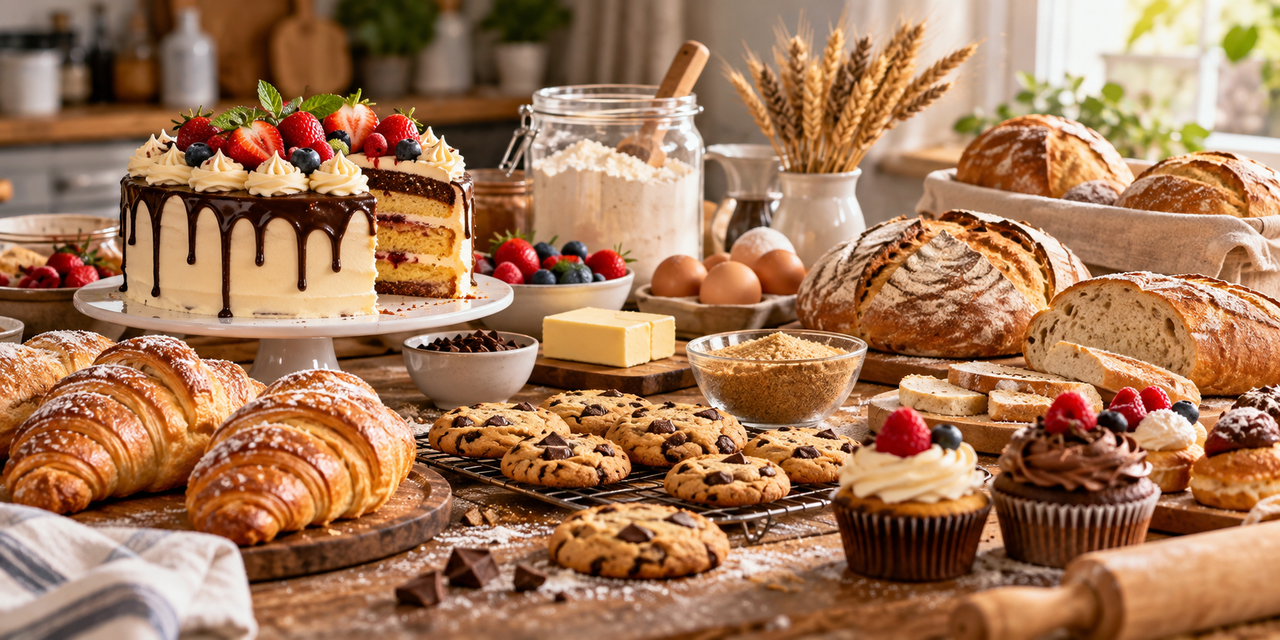
 Learn practical baking techniques, choose the right ingredients, and discover simple ways to improve homemade cakes, pastries, cookies, and bread.
October 6, 2026
Baking at home combines simple ingredients with careful preparation and a few essential techniques. Whether you are making a soft sponge cake, buttery cookies, flaky pastries, or fresh bread, understanding how ingredients work together can make the baking process more predictable and enjoyable.
This guide explores the basic principles behind successful baking, from measuring ingredients and preparing dough to controlling oven temperature and knowing when your baked goods are ready. The information is intended for home bakers as well as anyone who wants to better understand the products and techniques used in a bakery.
The goal is not to make baking complicated. Small details such as ingredient temperature, mixing time, flour selection, and baking conditions can have a noticeable effect on the final result. By learning these fundamentals, you can approach different recipes with greater confidence.
Choosing the Right Ingredients
Good baking starts with good ingredients. Flour, butter, eggs, sugar, yeast, chocolate, fruit, and other ingredients each play a specific role in a recipe.
Flour provides structure, while eggs can add moisture, richness, and stability. Butter contributes flavor and tenderness, and sugar affects both sweetness and texture. In bread recipes, yeast is responsible for fermentation and helps the dough rise.
Using ingredients at the temperature recommended by a recipe can also make a difference. For example, softened butter is easier to cream with sugar when preparing many cake and cookie recipes. Eggs at room temperature can also blend more easily into certain batters.
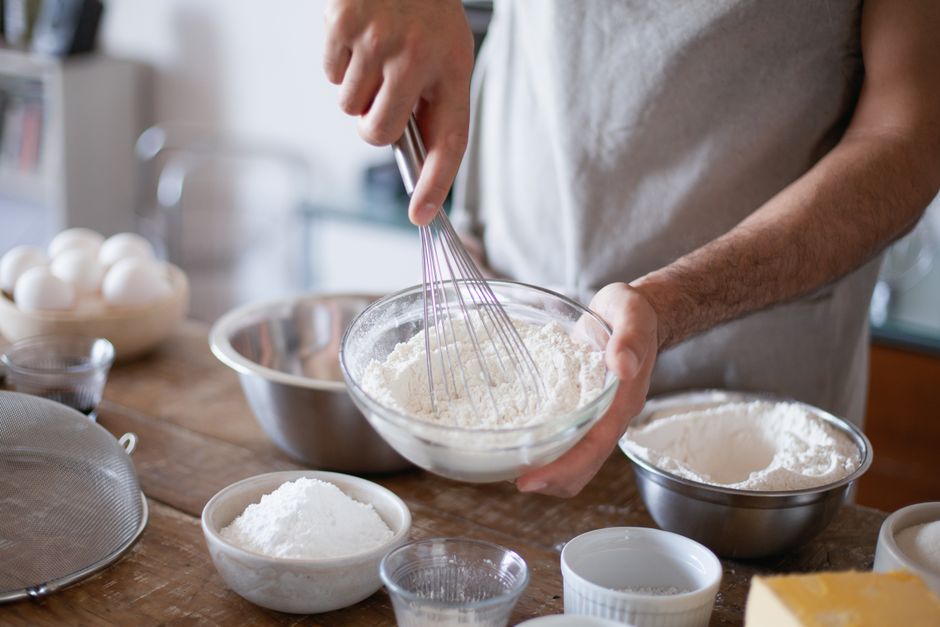
Measuring ingredients accurately is equally important. Using a kitchen scale is often the most reliable method, especially for flour and other dry ingredients. Small differences in quantities can change the texture and consistency of baked goods.
Essential Techniques for Cakes and Pastries
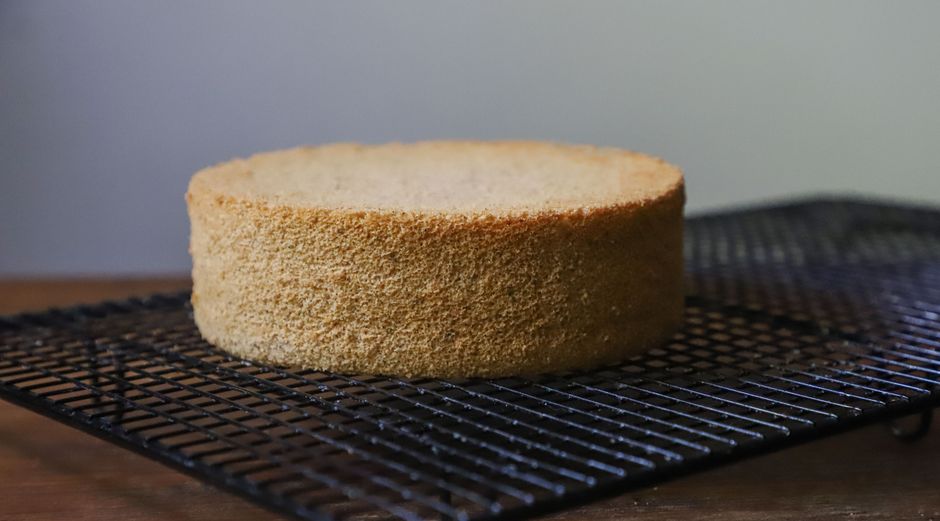
Cake batter should generally be mixed carefully. Once flour has been added, excessive mixing can develop gluten and produce a denser texture. The goal is to combine the ingredients evenly without overworking the batter.
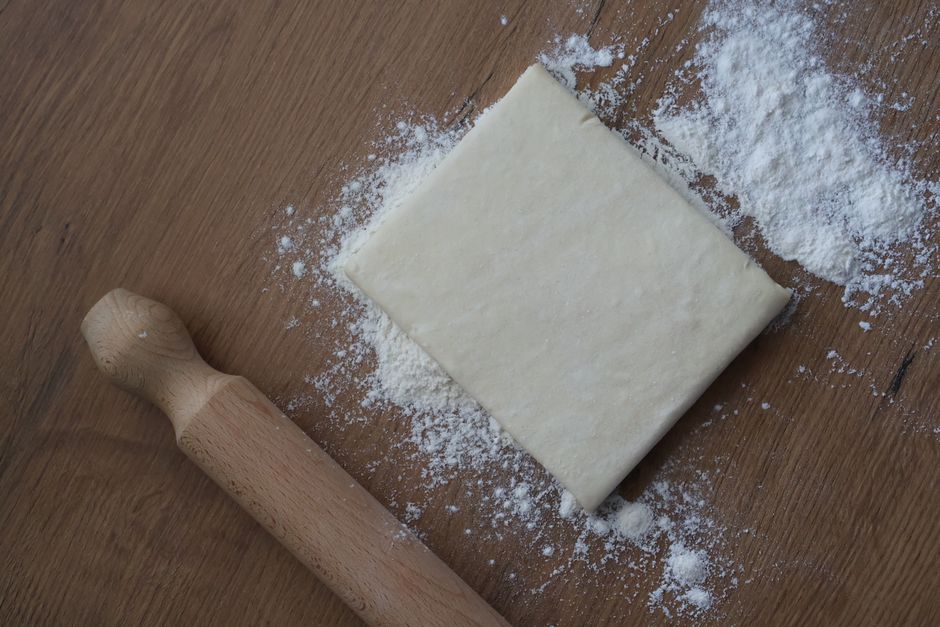
Pastry dough requires a different approach. Keeping the butter cool and handling the dough as little as possible can help create a light and flaky texture. When making shortcrust pastry, overworking the dough can make the finished pastry tough.
Creaming butter and sugar is another common technique. This process incorporates air into the mixture and can help create a lighter cake or cookie. The length of mixing and the temperature of the ingredients both influence the final result.
These techniques may seem small, but they are often responsible for significant differences in texture.
Making Better Homemade Cookies
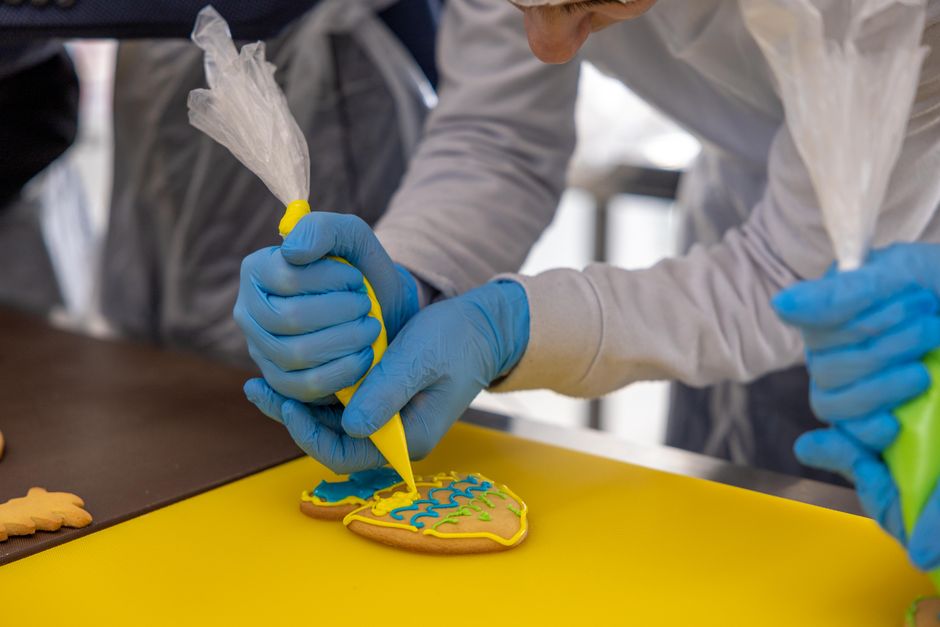
Cookies can range from soft and chewy to crisp and delicate. The balance of flour, fat, sugar, and moisture determines much of the final texture.
For a consistent result, portion the dough into similar-sized pieces so that all cookies bake at approximately the same rate. Leaving enough space between portions also allows the cookies to spread without touching.
Baking time is another important factor. Cookies often continue to firm up as they cool, so removing them from the oven at the right moment can prevent them from becoming too dry.
Different recipes may require different baking temperatures and times, so it is better to use visual and texture cues together with the recipe instructions.
The Basics of Homemade Bread
Bread requires patience because yeast needs time to ferment the dough. Kneading develops the gluten structure, while fermentation allows the dough to expand and develop flavor.
Water temperature is particularly important when working with yeast. Water that is too hot can damage yeast activity, while water that is too cold may slow the process considerably.
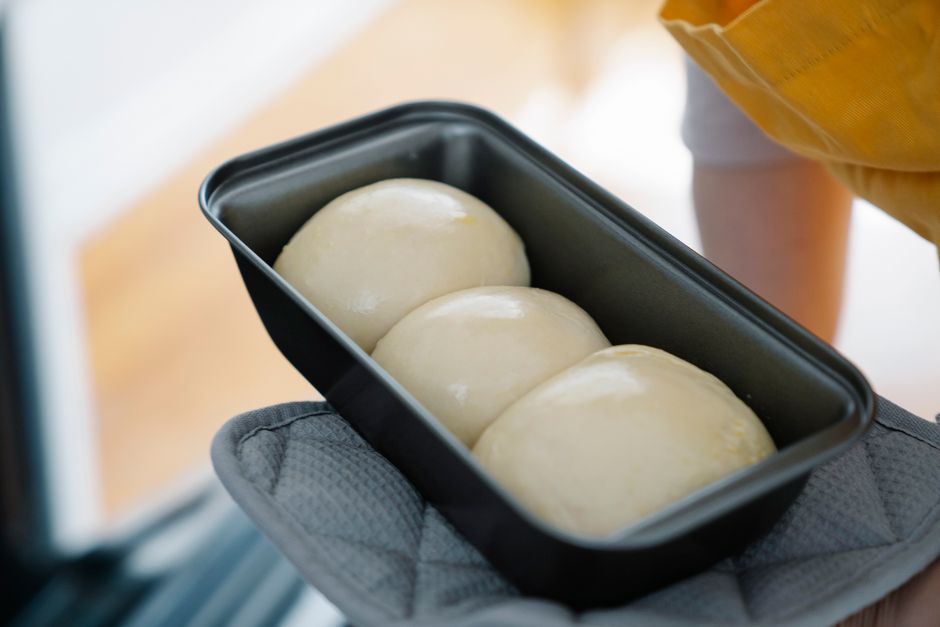
After the first rise, shaping the dough creates structure and prepares it for the final proof. The dough should usually be given enough time to rise before baking, but over-proofing can also affect its structure.
A properly preheated oven is essential for achieving good oven spring and a well-developed crust. Steam can also play an important role in certain bread-baking methods.
Understanding Oven Temperature
Oven temperature can affect almost every type of baked product. A temperature that is too high may brown the outside before the center is fully baked, while a temperature that is too low can result in poor rise and a pale crust.
Always allow the oven to preheat fully before placing the dough or batter inside. If your oven has significant temperature variations, an oven thermometer can help you understand its actual temperature.
Position also matters. The center of the oven is often the safest place for cakes and many pastries because it provides relatively even heat.
Avoid opening the oven unnecessarily during baking. A sudden drop in temperature can affect cakes and other delicate products, especially during the early stages of baking.
Common Baking Mistakes to Avoid
One of the most common mistakes is changing a recipe without considering how the ingredients interact. Reducing sugar, replacing flour, or changing the amount of liquid can affect the structure and texture of the final product.
Another common problem is measuring flour by volume without using a consistent method. Too much flour can make cakes, cookies, and pastries dry or dense.
Underbaking and overbaking are also frequent issues. Learn to look for signs such as color, firmness, aroma, and a clean skewer when appropriate.
Finally, give baked goods enough time to cool. Cutting into a cake or loaf immediately after removing it from the oven can affect its structure and make it difficult to achieve clean slices.
Practical Tips for Better Baking Results
Successful baking does not always require professional equipment. A reliable oven, accurate kitchen scale, mixing bowls, baking trays, and a few basic utensils are enough for many recipes.
It is useful to read the entire recipe before starting. Prepare the ingredients, check the required temperatures, and organize your workspace before mixing begins.
Keep notes about recipes that work particularly well. Recording changes in baking time, ingredient brands, or oven settings can help you understand what produces the best results in your kitchen.
Most importantly, treat baking as a process of learning. Even when a recipe does not turn out perfectly, the result can provide useful information for the next attempt.
Baking at Home With Confidence
Understanding the basics of ingredients, mixing, fermentation, temperature, and timing makes it easier to approach almost any baking recipe.
Whether you are preparing a birthday cake, a tray of cookies, a batch of pastries, or a loaf of bread, careful preparation and attention to detail can make a noticeable difference.
With practice, familiar techniques become easier to recognize and apply. Baking then becomes less about following instructions mechanically and more about understanding how each ingredient and step contributes to the finished product.
Contents:
- Choosing the Right Ingredients
- Essential Techniques for Cakes and Pastries
- Making Better Homemade Cookies
- The Basics of Homemade Bread
- Understanding Oven Temperature
- Common Baking Mistakes to Avoid
- Practical Tips for Better Baking Results
- Baking at Home With Confidence
You May Also Like
How to Make a Soft and Moist Chocolate Cake
Discover the ingredients and techniques that help create a rich, tender chocolate cake.
Butter, Flour and Sugar: Understanding Baking Ingredients
Learn how common baking ingredients affect flavor, texture, and structure.
Simple Techniques for Perfect Homemade Cookies
Practical tips for preparing cookie dough and achieving consistent results.
How Yeast Works in Homemade Bread
An introduction to fermentation, proofing, and the basic science of bread making.
Subscribe for Baking Tips and Recipes
Get regular articles about cakes, pastries, cookies, bread, ingredients, and practical baking techniques. Useful tips and recipes for home bakers and anyone who loves fresh, homemade treats.
Enter your email
Subscribe
By submitting your email, you agree to the processing of personal data.